
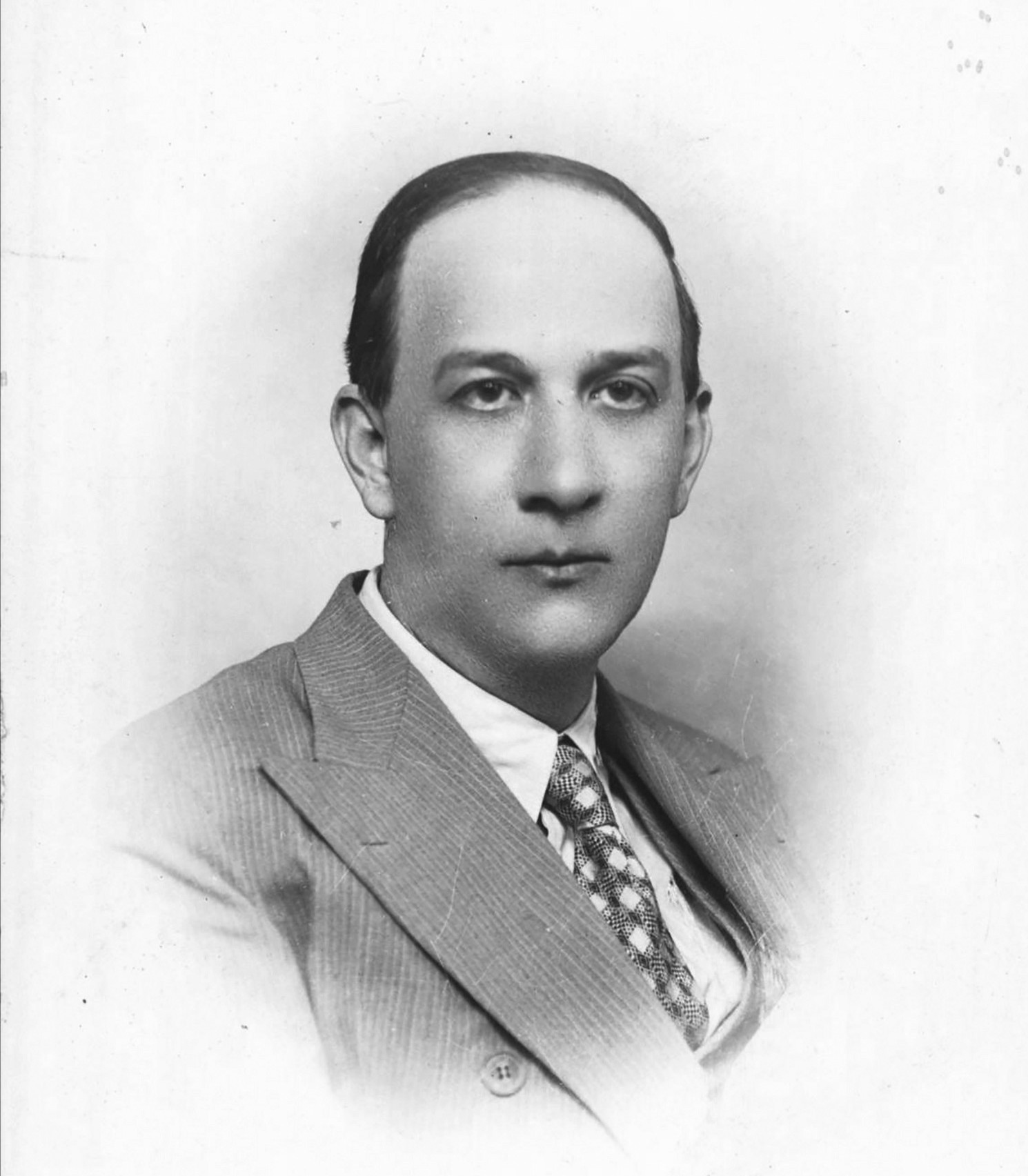
Napoleon Lapathiotis Posted in: Authors
Napoleon Lapathiotis was born in Athens in 1888. He earned a degree in law but, instead of pursuing a legal career, devoted himself to literature. His poems and short stories appeared in the leading literary journals of the time. He served as a reserve second lieutenant during the Balkan Wars (1912–13), and in 1920 spent a brief period in Egypt, where he met C.P. Cavafy. Reduced to poverty by addiction and substance abuse, he took his own life in 1944.
From the foreword ‘The World of Napoleon Lapathiotis’
If one were to encapsulate the essence of the Greek literary generation of the 1920s in a single adjective, one might say ‘accursed’. This applies both in the sense of maudit, of bohème, and in reference to the biographies of its leading exponents—among whom, in addition to Napoleon Lapathiotis, we should number Kostas Karyotakis, Tellos Agras, Kostas Uranis and Maria Polydouri—all marked by physical or mental ill-health, social marginalization and drug addiction. […] Among the leading representatives of this generation is the poet, prose writer, translator, literary critic and journalist Napoleon Lapathiotis. While, from a formal standpoint, his poetry remains closely tied to the Romantic tradition, the same cannot be said of his extensive body of short stories, a small selection of which is presented in this volume. What draws Lapathiotis above all is love—experienced in a poètes maudits key—but also illness and death, which are almost inevitable consequences of it. The artist’s hankering for death (as emerges, for example, in the story ‘The Graves’) thus takes on the tone of a vibrant protest against the complacent certainties of bourgeois society. Moreover, the artist remains fully aware of this conflict, even in its most extreme implications.
Maurizio De Rosa